The Ultimate Guide to Appliance Repair: Discover the Key Services You Can't Afford to Ignore
The field of appliance repair is often overlooked until a serious malfunction takes place. Early intervention can help avoid expensive replacements and confirm that appliances run at peak efficiency. Recognizing when expert assistance is needed rather than attempting repairs yourself is essential. Furthermore, consistent servicing can considerably increase the longevity of household appliances. Nevertheless, countless homeowners fail to recognize the key services that can make a substantial difference. Investigating these factors can illuminate the path to ideal appliance care.
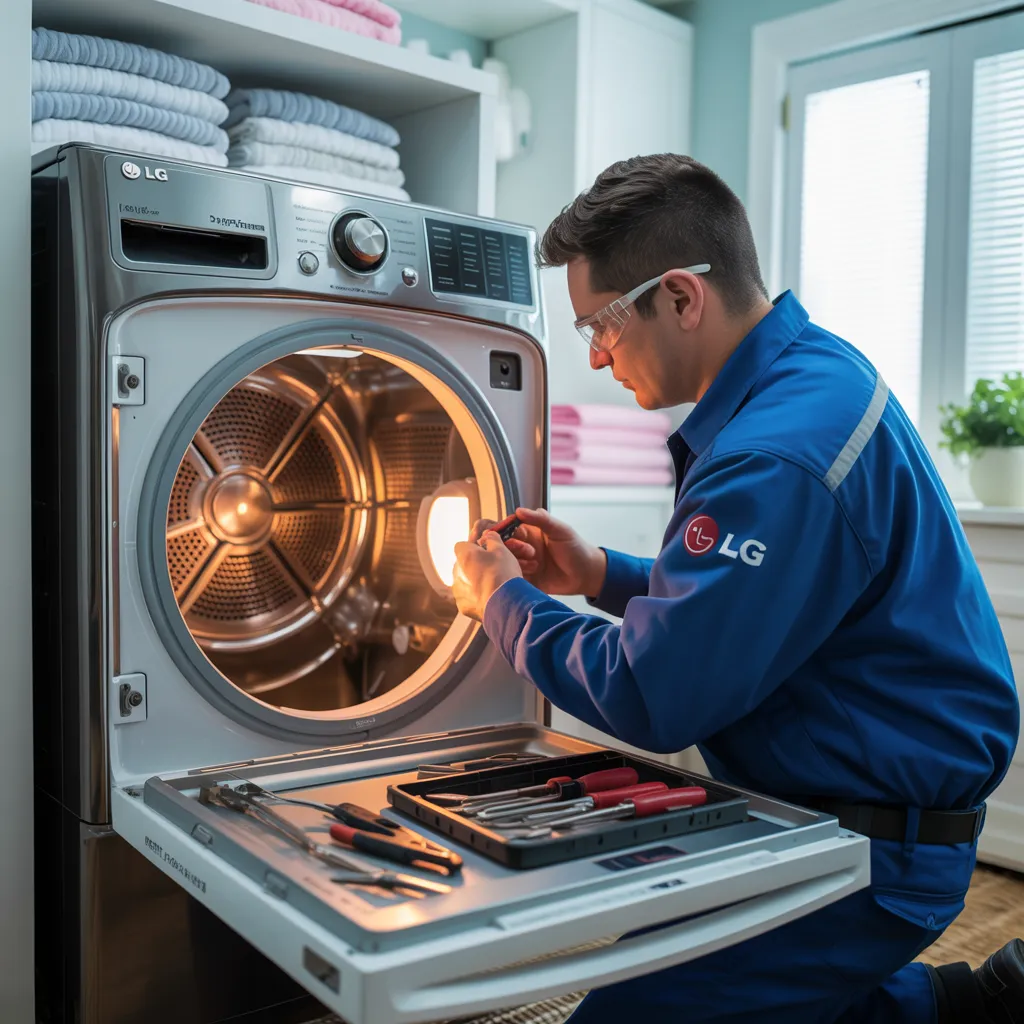
Why Timely Appliance Repair Matters
Punctual appliance repair is vital, as overlooking concerns can cause more severe issues and costly repairs. Homeowners often overlook minor appliance malfunctions, thinking they will correct themselves without intervention. Nevertheless, minor problems, such as unusual sounds or erratic performance, may signal deeper underlying issues that demand prompt attention. Addressing these concerns promptly can prolong the lifespan of appliances and enhance their efficiency.
Furthermore, prompt repairs help avoid safety risks, such as electrical malfunctions or gas leaks, which create hazards for residents. Routine upkeep and swift attention to even small problems can spare homeowners from surprise costs and unnecessary trouble. Quite often, addressing issues early is far more economical than allowing a full breakdown to happen. Consequently, understanding the importance of timely appliance repair not only safeguards household functionality but also fosters peace of mind for residents.
Essential Appliance Issues to Resolve
Even though many homeowners might dismiss appliance concerns, some serious issues require prompt action to prevent further damage. To illustrate, a malfunctioning refrigerator can result in food going bad, posing health risks. If the appliance is not cooling properly, it is imperative to determine the root problem, whether it be a faulty compressor or a blocked airflow.
Comparably, a washing machine leaking water can result in extensive flooring damage and the growth of mold. Household members should handle any water leaks immediately to prevent these costly repairs. Moreover, gas appliances, such as stoves and dryers, require prompt attention if they exhibit odd smells or do not ignite properly. Such issues can suggest dangerous gas leaks, presenting significant safety dangers.
Lastly, a dishwasher that fails to drain can cause standing water, drawing in pests and generating foul smells. Understanding these critical appliance problems can save homeowners time, money, and stress over time.
Choosing Between DIY and Professional Repairs
When dealing with appliance problems, people must consider the advantages of DIY repairs versus professional help. This determination commonly relies on one's skill level and the time required to complete the task, in addition to the corresponding costs. A thorough evaluation of these elements can result in a better-informed decision.
Evaluating Your Skill Level
How can one determine whether to tackle an appliance repair as a DIY project or to enlist professional help? The choice depends on assessing one's capabilities and recognizing the intricacy of the repair task. One should start by considering their knowledge of related tasks and the equipment the job demands. If the repair involves basic components, such as changing a filter or unclogging a drain, a DIY approach may be feasible. Nevertheless, more complicated concerns, like electrical faults or mechanical defects, generally call for advanced knowledge and professional experience. Additionally, individuals should consider their comfort level with troubleshooting and the potential risks involved. A realistic self-evaluation can guide whether to proceed independently or seek professional assistance for a reliable outcome.
Cost vs. Time Analysis
Figuring out whether to attempt a DIY repair or engage a professional commonly relies on a comprehensive cost and time assessment. Homeowners must evaluate the cost of parts and tools for a DIY approach against the expense of professional services. Even though DIY repairs can look budget-friendly, they may demand substantial time and effort, particularly for those without prior experience. In contrast, professionals bring knowledge and swift execution but demand a higher financial investment. Additionally, the potential risk of further damage during a DIY attempt can lead to increased expenses. In the end, a thorough evaluation of individual skill, get details on this time availability, and financial limitations will inform the choice, helping homeowners arrive at a well-considered decision suited to their unique situation.
Top Tools Needed for DIY Appliance Repair
A properly stocked toolbox is essential for anyone looking to tackle DIY appliance repairs with confidence. Essential tools consist of a set of screwdrivers, both flathead and Phillips, which are critical when accessing appliance interiors. Pliers, particularly needle-nose and adjustable types, help in gripping and manipulating various components. A multimeter is indispensable when diagnosing electrical issues, providing the ability to measure voltage, current, and resistance.
Furthermore, a socket set delivers the adaptability needed for different nut sizes and is particularly beneficial for securing or removing bolts. A utility knife can help with trimming wires or prying open appliance casings, while a level ensures that appliances are set up properly. To conclude, having extra components, such as replacement fuses and gaskets, can reduce downtime during repairs. With these critical tools, individuals can successfully address appliance concerns and improve their repair skills successfully.
Finding the Best Appliance Repair Services
When searching for appliance repair services, it is important to confirm the qualifications and expertise of potential providers. Consumers should also compare pricing and available services to ensure they get good value for their money. Furthermore, inquiring about warranties and assurances can offer reassurance regarding the quality of the repairs.
Confirm Credentials And Experience
Verifying the qualifications and expertise of appliance service professionals is vital for securing professional outcomes. Homeowners should seek certified and well-trained experts, as these indicators reflect their skill and dedication to their craft. Checking for licenses and insurance is also vital, as this protects both the technician and the homeowner in case of accidents or damages. Furthermore, seasoned professionals with a strong track record are more likely to diagnose and resolve issues efficiently, decreasing the need for follow-up appointments. Consumer opinions and references shed light on a technician's reliability and workmanship. By thoroughly vetting potential service providers, residents can arrive at well-considered conclusions and enhance the probability of quality restorations.
Compare Pricing And Services
Once verifying the qualifications and expertise of potential technicians, homeowners are able to evaluate the rates and offerings from different appliance repair providers. It is advisable to gather multiple quotes to identify a fair market rate, as costs can fluctuate considerably. Homeowners should evaluate what every package covers, such as diagnostic fees, labor costs, and parts pricing. Additionally, some providers may offer promotional offers or reduced rates for initial customers. Recognizing these factors enables property owners to make informed decisions, ensuring they receive quality service without overpaying. It is advisable to check client feedback and endorsements, as such information can additionally support the decision-making process, underscoring the trustworthiness and proficiency of multiple repair specialists.
Examine Warranty And Guarantees
How do homeowners make certain they are getting the best value from appliance repair services? A critical step involves reviewing the warranties and guarantees provided by repair companies. A reliable repair company should provide warranties that cover both parts and labor, making certain that any concerns that develop soon after the repair are handled without added expenses. Homeowners should inquire about the duration of these warranties, since extended terms typically reflect greater confidence in the quality of service. Furthermore, familiarizing themselves with the specifics of the guarantee can help homeowners steer clear of potential issues, like concealed charges or restrictive conditions. By selecting repair providers that fully support their work, homeowners are able to achieve peace of mind and fully maximize the return on their appliance repair investment.
Preventative Maintenance for Long-Lasting Appliances
Consistent preventative care can greatly extend the lifespan of residential appliances. By implementing regular inspections and small repairs, property owners can spot concerns before they become serious. For instance, maintaining refrigerator coils and examining door seals can improve energy performance and avoid malfunctions.
Furthermore, cleaning filters to maintain washing machines and descaling dishwashers can help avoid costly breakdowns. Regularly inspecting hoses and connections helps avert leaks and water damage.
Additionally, substituting worn-out parts, such as belts, gaskets, and similar components, can guarantee appliances function properly. Households should also consult the manufacturer's recommendations for detailed upkeep schedules.
Putting time into preventive care extends appliance lifespan while also enhancing performance and efficiency, ultimately saving money on utility bills. By making these practices a priority, individuals can enjoy the reliability of their appliances for years to come, reducing the need for frequent repairs or replacements.
Questions We Often Receive
How Can I Tell if My Appliance Is Still Under Warranty?
To determine if an appliance is under warranty, one should review the purchase receipt for warranty information, visit the manufacturer's official website, or get in touch with customer service for clarification using the appliance's model number and purchase date.
What Are the Most Common Indicators That an Appliance Needs Fixing?
Key signs that an appliance may need repair consist of strange sounds, erratic performance, leaks, error codes, and repeated cycling. Furthermore, unusually high energy bills or a complete failure to function can signal deeper issues that require expert attention.
Are There Safety Measures to Follow for DIY Repairs?
Safety precautions for DIY repairs involve disconnecting appliances from power, wearing protective gear, providing sufficient ventilation, and referring to instruction manuals. Furthermore, individuals should refrain from handling water and electrical components concurrently to avoid potential hazards and harm.
How Can I Reduce Appliance Repair Costs?
To reduce appliance repair costs, one should perform regular maintenance, troubleshoot minor issues independently, evaluate repair service costs, and consider warranty options. Staying informed about common appliance problems can further help prevent expensive repairs down the line.
What Should I Do When an Appliance Is Leaking?
If an appliance is leaking, one should immediately unplug it, turn off the water supply, and identify where the leak is coming from. Contacting a qualified technician may be necessary to protect against further damage and safety risks.